


-

Add: HeBei ShengShi HongBang Cellulose Technology CO.,LTD.
-

Email
13180486930@163.com -

CONTACT US
+86 13180486930
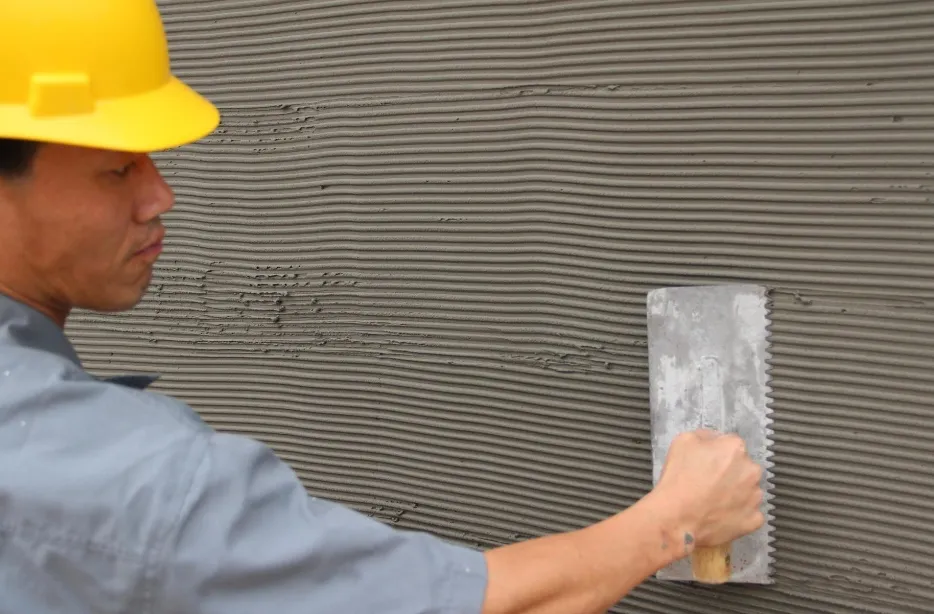
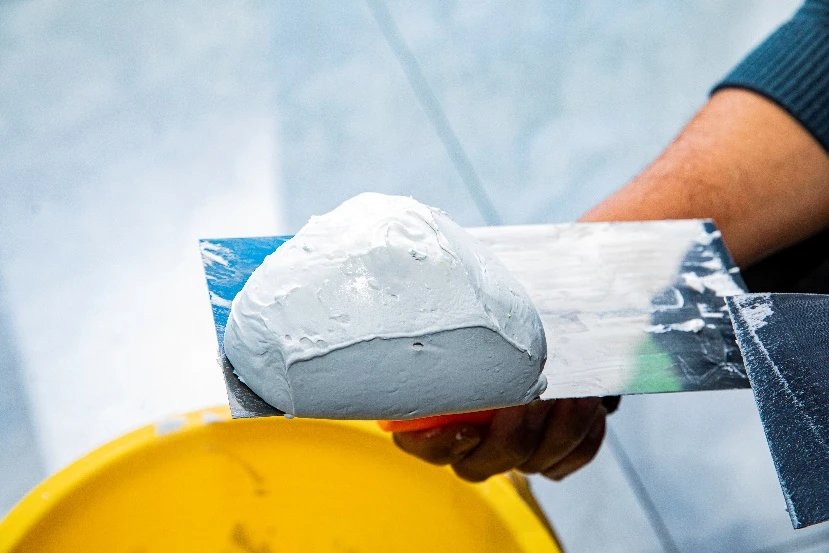


In today’s industrial and personal care sectors, raw materials must deliver more than just functionality—they must offer versatility, cost-efficiency, and environmental compatibility. Among these materials, modified starch types have gained prominence for their wide-ranging applications in construction, coatings, adhesives, and cosmetic formulations. Unlike native starches, modified starches undergo physical, enzymatic, or chemical treatments that enhance their stability, solubility, and performance under different environmental conditions. There are various modified starch types used in industry: oxidized starch, cationic starch, hydroxypropyl starch, and crosslinked starch, among others. Each type offers distinct properties that suit different use cases. For example, oxidized starch is valued in the paper and textile industry for its improved film-forming ability, while cationic starch is favored in wastewater treatment and as a retention aid. Hydroxypropyl starch shows excellent compatibility with surfactants and is widely used in the personal care sector for thickening shampoos and conditioners. In the construction field, modified starch types act as efficient water-retention agents, rheology modifiers, and anti-sagging agents, especially in dry-mix mortars and tile adhesives. The ability of modified starches to control workability and enhance adhesion makes them indispensable for ensuring product performance in various environmental conditions. What sets modified starches apart is their adaptability. Whether incorporated into a facial mask formulation or a cementitious compound, the same base material can be engineered to meet highly specific application goals. Their bio-based origin also contributes to sustainability goals, making them increasingly relevant in today’s environmentally conscious market. Starch Ether: A Functional Additive Transforming Construction Materials Among the modified starch types , starch ether stands out as one of the most valuable derivatives for the construction industry. It is primarily used as a thickener, stabilizer, and water retention agent in cement-based and gypsum-based materials. Whether in tile adhesives, skim coats, self-leveling underlays, or exterior insulation systems, starch ether significantly improves workability and performance. The incorporation of starch ether enhances the open time of plasters and adhesives, ensuring better application and correction capabilities. It prevents segregation, provides a smooth texture, and reduces cracking by maintaining consistent moisture levels. This is especially important in high-temperature or low-humidity environments where premature drying can lead to inferior bonding or surface defects. In dry-mix mortar systems, starch ether is used in combination with cellulose ethers to optimize viscosity and anti-slump behavior. Its efficiency at low dosages makes it a cost-effective choice for manufacturers seeking performance without a significant increase in formulation costs. The personal care industry also benefits from starch ether in products such as body powders, facial masks, and emulsions. It enhances the texture and sensory feel of the product, offering a natural alternative to synthetic polymers while improving spreadability and consistency. As industries push toward multifunctional ingredients, starch ether continues to offer a practical and economical solution for both formulation efficiency and product performance, especially in applications where flow control and water retention are crucial. Starch Ether China: Global Supply Hub for High-Performance Industrial Starches When discussing high-quality and competitively priced starch ether , it's impossible to ignore the central role of starch ether China in the global supply chain. Chinese manufacturers have become leading players in the production and innovation of industrial-grade starch ether, supplying to regions across Europe, Southeast Asia, the Middle East, and beyond. The growth of starch ether China is attributed to several factors: abundant raw material availability, advanced production technologies, and a strong export infrastructure. Manufacturers in China offer diverse specifications tailored to customer needs, including varying degrees of substitution, moisture content, and granule size. This flexibility makes them an ideal partner for businesses seeking customized formulations. Many of these producers adhere to international quality standards, including ISO, REACH, and SGS certifications. Their products meet the rigorous demands of industries such as construction, coatings, and personal care, ensuring batch consistency and reliable performance. Moreover, Chinese suppliers often provide technical support and R&D services, helping customers achieve optimal results with their formulations. The rapid development of starch ether China is also driven by its integration into large-scale infrastructure and housing projects domestically. This fosters constant innovation, allowing Chinese manufacturers to stay ahead of the curve in terms of application performance, sustainability, and economic feasibility. By sourcing from starch ether China , global buyers can reduce procurement costs without compromising on product quality—a key advantage in today’s competitive markets. Navigating the Starch Ether Price Landscape: What to Know Before Buying Understanding the dynamics of starch ether price is critical for procurement teams and product developers alike. The price of starch ether can vary based on several factors, including raw material costs (typically corn or tapioca), processing technologies, production scale, and the degree of chemical modification. On average, starch ether price ranges between $1.50 to $3.00 per kilogram in bulk, depending on the quality and performance requirements. Higher grades with specialized properties—such as enhanced viscosity, improved dispersibility, or compatibility with specific polymers—typically command a premium. Freight charges, tariffs, and certifications can also impact final pricing. However, it's not always about finding the cheapest option. Instead, buyers should focus on price-performance ratio. A slightly higher starch ether price may offer superior efficiency, requiring lower dosages and resulting in better application outcomes. This is especially true in dry-mix systems, where stability, water retention, and anti-sagging are non-negotiable. Starch ether sourced from leading starch ether China manufacturers often provides a good balance between cost and performance. Many suppliers offer tiered pricing based on order quantity, with flexible terms for long-term partnerships. Additionally, working directly with manufacturers allows for tailored grades, which can reduce over-specification and further lower overall formulation costs. Before purchasing, always request technical data sheets, samples for testing, and trial formulas to assess actual performance. This ensures you are not only getting the right starch ether price , but also the right product for your intended application. Why Modified Starch Types and Starch Ether Are Essential in Industrial Formulations Choosing the right modified starch types or starch ether depends on a clear understanding of your industry’s requirements. For construction materials, these starch derivatives play a vital role in improving workability, adhesion, and longevity. In personal care, they contribute to texture, moisture retention, and product stability—all essential for consumer satisfaction. With the growing demand for sustainable and high-performance materials, the role of modified starch types and starch ether is set to expand across industries. Whether you’re sourcing from starch ether China or analyzing the best starch ether price , investing in the right product ensures consistent performance and customer satisfaction. starch ether FAQs What are the main applications of modified starch types in industry? Modified starch types are widely used in construction, textile, paper, adhesive, and personal care industries. In construction, they enhance water retention, rheology, and workability of dry-mix mortars and plasters. In personal care, they act as thickeners and stabilizers for creams, lotions, and powders. They are not used in food or pharmaceutical applications in this context. How does starch ether improve the performance of construction materials? Starch ether enhances workability, consistency, and open time in cement and gypsum-based applications. It helps maintain moisture within the mortar, preventing premature drying and cracking. When used with cellulose ethers, it further improves anti-slump and anti-sagging properties, which is crucial in vertical applications like wall plaster and tile adhesive. Why is starch ether China a preferred source for global buyers? Starch ether China producers offer high-quality, cost-effective materials with excellent customization options. Their large production capacity, adherence to international standards, and technical support make them ideal for global importers. Additionally, their ability to offer tailored formulations helps meet specific industrial requirements. What factors affect starch ether price in the market? Several variables influence starch ether price , including raw material costs, processing technology, product grade, order volume, and shipping fees. Customized grades or special packaging can also impact pricing. While cheaper products are available, it’s important to evaluate performance to ensure long-term cost efficiency. Can modified starch types and starch ether be used in food or pharmaceutical applications? No, the modified starch types and starch ether discussed here are strictly for industrial and personal care use. They are not processed or certified for consumption or medicinal use. Always ensure that the starch product you purchase matches the regulatory and safety standards of your intended application field.
- 40000tons

Production
- 20+years

Experience
- 5000+㎡

Acreage

-
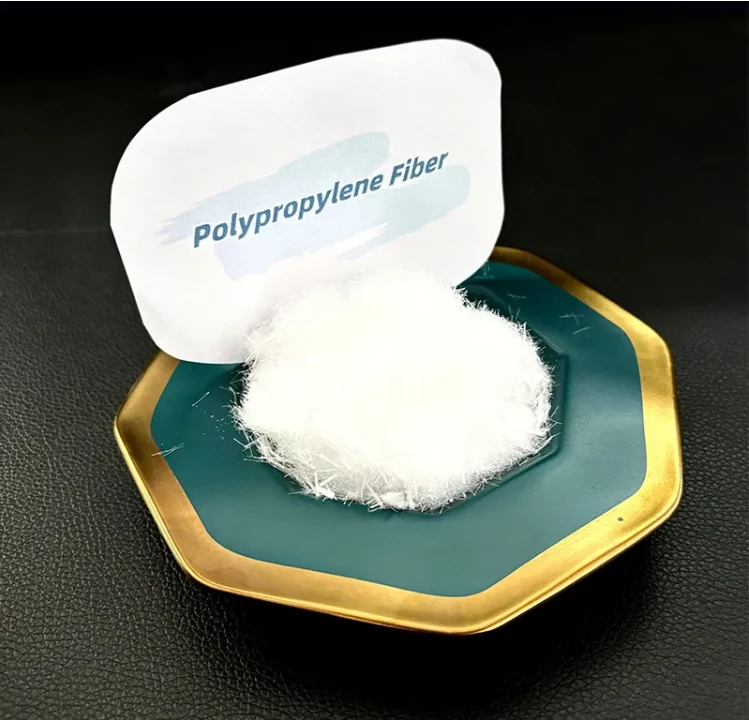
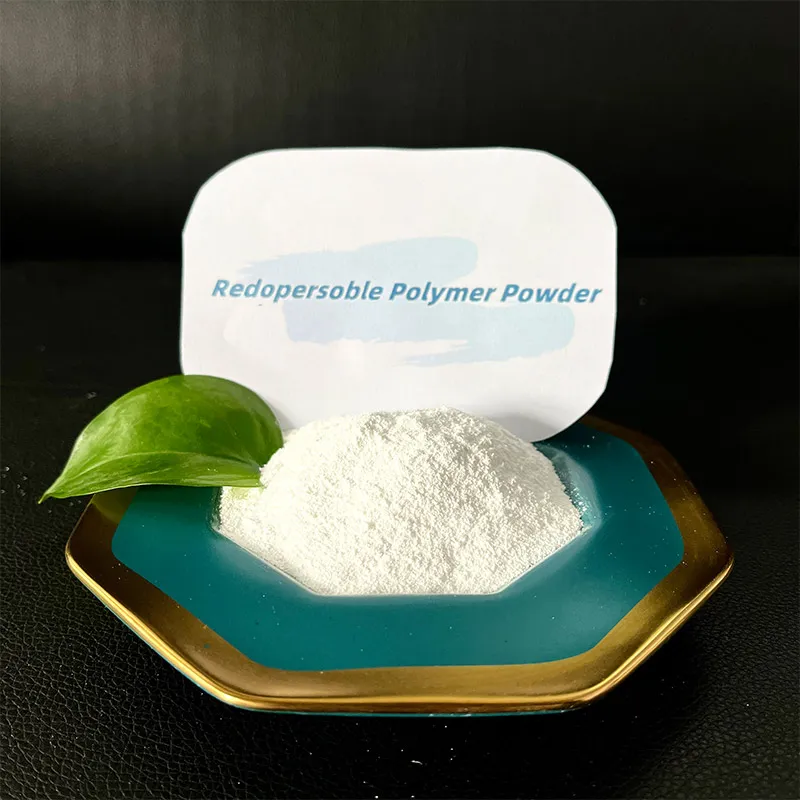
Understanding the Price of Dispersible Polymer Powder Trends and Implications The global market for dispersible polymer powders has seen significant growth over the past few years, driven by various factors including advancements in technology, evolving consumer preferences, and increasing applications across different industries. Dispersible polymer powders are widely used in construction, paints, coatings, adhesives, and even in the cosmetic industry due to their excellent binding properties and ability to create stable emulsions. Understanding the price dynamics of these products is essential for manufacturers, suppliers, and consumers alike. What Are Dispersible Polymer Powders? Dispersible polymer powders are dry powders that can be easily re-dispersed in water to form stable dispersions. They are primarily used to enhance the performance of various formulations in the construction sector, particularly in tile adhesives, mortars, and other construction materials. These polymers improve adhesion, flexibility, and water resistance, making them a vital component in modern construction projects. Factors Influencing the Price of Dispersible Polymer Powder 1. Raw Material Costs The price of dispersible polymer powders is significantly influenced by the cost of raw materials. As oil prices fluctuate, the cost of petroleum-based raw materials can impact production costs for polymer manufacturers. Additionally, the availability of renewable raw materials can also play a crucial role in price determination. . 3. Market Demand The demand for dispersible polymer powders is on the rise due to the increasing construction activities and the growing reliance on high-performance materials. This demand pushes prices upward, especially in regions experiencing rapid urban development. سعر مسحوق البوليمر القابل للتشتت 4. Global Supply Chain Issues Recent global events have highlighted the fragility of supply chains. Disruptions caused by the COVID-19 pandemic, geopolitical tensions, or natural disasters can lead to shortages of raw materials, subsequently increasing prices. These supply chain complexities necessitate careful monitoring and strategic planning by companies involved in the market. 5. Sustainability Trends With an increasing emphasis on sustainability, many companies are investing in producing eco-friendly dispersible polymer powders. While these green alternatives may initially have higher production costs, the long-term benefits and rising consumer demand for sustainable products may justify the higher price point. Current Market Trends As of 2023, the dispersible polymer powder market has experienced moderate growth. Market analysts predict that this trend will continue as developing economies focus on infrastructure development and renovation projects. Moreover, there is a noticeable shift towards higher performance and specialty dispersible polymers, catering to specific applications, which may come at a premium price. Conclusion Understanding the pricing of dispersible polymer powders is crucial for stakeholders across the industry. The interplay of raw material costs, technological advancements, market demand, supply chain dynamics, and sustainability trends shapes the landscape of this market. As the global economy moves forward, it will be important for manufacturers and consumers to remain agile and adapt to these changing trends. For businesses involved in the production or application of dispersible polymer powders, keeping abreast of market trends and pricing dynamics will not only ensure competitiveness but also allow for better strategic planning and investment decisions. Moreover, as sustainability becomes a focal point in various industries, those who invest wisely in eco-friendly alternatives may not only help the environment but also capture a growing segment of environmentally conscious customers.
-
Hydroxyethyl starch (HES) has surged into focus as a powerful tool within the medical and healthcare field, specifically in fluid resuscitation therapies. Over the years, its application has generated considerable discussion among medical professionals, highlighting its dual nature as both a valuable resource and a product to be used with caution. This comprehensive exploration of hydroxyethyl starch examines its various uses, backed by practical insights, medical expertise, authoritative sources, and the overarching framework of trust that governs its application. Experience suggests that Hydroxyethyl starch serves primarily as a colloid solution in fluid replacement . Its prime application is in treating hypovolemia—where there is an inadequate volume of blood plasma, usually due to acute blood loss during surgeries or traumatic injuries. Medical professionals have found it advantageous because HES solutions can expand the plasma volume significantly, restoring blood pressure efficiently and maintaining hemodynamic stability in patients. This effect is particularly beneficial in emergency care settings, where rapid volume restitution is crucial. From the perspective of expertise, hydroxyethyl starch solutions are synthesized from amylopectin, a component derived from maize or potatoes, and possess certain unique chemical properties. They are classified based on molecular weight and degree of substitution, which influences their pharmacokinetics and dynamics. For example, high molecular weight HES solutions with a high degree of substitution tend to have longer circulation times, which can be advantageous or disadvantageous depending on clinical needs. Understanding these intricate details is pivotal for healthcare providers to optimize patient outcomes, showcasing the depth of professional knowledge required to utilize HES effectively. An authoritative examination of hydroxyethyl starch is incomplete without acknowledging its scrutinized safety profile. Clinical studies and regulatory bodies like the FDA and EMA have placed stringent guidelines on its use due to potential associations with increased risk of kidney injury and bleeding complications, particularly in critically ill patients. Thus, its administration is often restricted to specific scenarios and patient populations. Healthcare professionals are advised to balance these risks against the benefits, highlighting the necessity of robust clinical judgment and adherence to established medical guidelines. hydroxyethyl starch uses Trustworthiness in the use of hydroxyethyl starch not only aligns with established medical guidelines but also with informed patient consent and transparent healthcare practices. The contextual sensitivity of HES administration, especially in critical care units, requires transparent communication with patients or their guardians about potential risks and benefits. This practice reinforces trust, a cornerstone of ethical medical treatment and patient care. While the application of hydroxyethyl starch is prevalent in surgical and emergency care environments, its use is supported by a slew of clinical experiences and empirical evidence. Controlled studies document its efficacy in stabilizing hemodynamics when used correctly, with consistent patient monitoring to prevent adverse reactions. Furthermore, peer-reviewed publications and clinical guidelines from organizations such as the Society of Critical Care Medicine validate the established protocols governing its use, reinforcing HES's role within therapeutic inventories. In conclusion, hydroxyethyl starch stands as a testament to both the advancements and challenges inherent in modern medical therapeutics. Its utility in expanding plasma volume and stabilizing patients during acute medical events is well-recognized in clinical circles, yet its administration is bounded by specific safety considerations that demand high levels of expertise and authority. Trustworthiness in its application is nurtured through informed consent, rigorous adherence to clinical guidelines, and ongoing research to further our understanding of its effects. As with many medical interventions, the discerning use of hydroxyethyl starch exemplifies a balanced approach to innovation in medicine, ensuring patient safety and healthcare efficacy remain paramount.
advantages
-

200000 Viscosities
Excellent product
We can produce pure products up to 200,000 viscosities
-

40000 tons
High yield
We don’t stop production all year round, and the annual output can reach 40,000 tons
-

24 hours
Quality service
We provide 24-hours online reception service, welcome to consult at any time
———— Inquiry Form
Schedule A services

-
 pentastarch
Oct . 25, 2025
When exploring the landscape of construction materials, HPMC Limited emerges as a pivotal player, re -
 hydroxypropyl_methylcellulose_katika_vipodozi
Oct . 25, 2025
HPMC cellulose, also known as Hydroxypropyl Methylcellulose, is a versatile and essential compound t -
 cellulose_wood
Oct . 25, 2025
Exploring the Intricacies of Hydroxyethyl Starch (HES) A Critical Product Insight Hydroxyethyl starc


